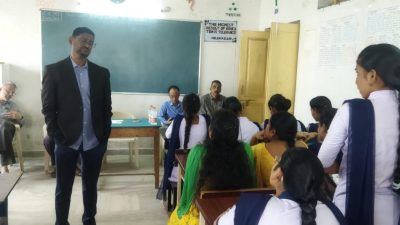
Exclusive Education Scholarship Programs for Students with Disabilities illuminate pathways to educational opportunities that empower and uplift. These programs are essential in ensuring that students with disabilities have access to the resources and support they need to succeed academically and personally. By focusing on inclusivity, these scholarships not only provide financial assistance but also foster an environment that celebrates diversity and promotes equal chances for all learners.
In a world where education is a fundamental right, these scholarship programs play a pivotal role in bridging gaps and breaking down barriers that students with disabilities often face. The financial aid offered helps cover tuition costs, specialized tools, and necessary accommodations, making a significant difference in the lives of these students and their families.

The quest for renewable energy has evolved dramatically over the past few decades, driven by the urgent need to combat climate change, reduce dependence on fossil fuels, and ensure sustainable development. This article explores the various forms of renewable energy, their advancements, challenges, and the future landscape of this industry.
1. Understanding Renewable Energy
Renewable energy is derived from natural processes that are continually replenished. This includes solar energy, wind energy, hydroelectric power, geothermal energy, and biomass. Unlike fossil fuels, which may take millions of years to form, renewable energy sources are sustainable and can mitigate environmental impacts significantly.
1.1 The Importance of Renewable Energy
As the world faces escalating environmental concerns, the reliance on renewable energy sources has become imperative. Renewable energy offers numerous advantages, including:
- Reduction of Greenhouse Gas Emissions: Transitioning to renewable energy can dramatically lower carbon emissions, thereby contributing to global climate goals.
- Sustainability: Renewable energy sources are abundant and will not deplete over time, making them a sustainable choice for future generations.
- Energy Independence: Countries can reduce their reliance on imported fossil fuels by investing in local renewable energy resources.
- Job Creation: The renewable energy sector has proven to be a significant source of new jobs, particularly in manufacturing, installation, and maintenance.
2. Types of Renewable Energy
Renewable energy can be categorised into several distinct types, each with its own set of technologies and applications. Below is a detailed examination of the primary forms of renewable energy:
2.1 Solar Energy
Solar energy harnesses sunlight using photovoltaic (PV) cells or solar thermal systems. The technology has advanced significantly, with the cost of solar panels decreasing by over 80% since 2010, making solar energy an increasingly viable option for both residential and commercial energy needs.
2.1.1 Photovoltaic Cells
Photovoltaic cells convert sunlight directly into electricity. The efficiency of these cells continues to rise due to ongoing research and development. Innovations such as bifacial panels and solar tracking systems are further enhancing their performance.
2.1.2 Solar Thermal Systems
Solar thermal systems use sunlight to generate heat, which can then be used to produce electricity or for direct heating applications. This technology is particularly effective in residential water heating and large-scale solar power plants.
2.2 Wind Energy
Wind energy is harnessed through turbines that convert the kinetic energy of wind into electrical power. The global installed capacity of wind power has grown exponentially, with offshore wind farms gaining traction due to their higher efficiency and reduced visual impact.
2.2.1 Onshore and Offshore Wind Farms
Onshore wind farms are typically located in areas with high wind speeds, while offshore wind farms benefit from stronger and more consistent winds over the ocean. Both types contribute significantly to the energy mix in many countries.
2.3 Hydroelectric Power, Exclusive Education Scholarship Programs for Students with Disabilities
Hydroelectric power generates electricity by harnessing the energy of flowing water. Large dams and run-of-the-river systems are common methods of generating hydroelectric power, providing a reliable and stable energy source.
2.3.1 Environmental Concerns
While hydroelectric power is renewable, it can have significant environmental impacts, including habitat disruption and changes to local ecosystems. Sustainable practices, such as fish ladders and eco-friendly dam designs, are essential to mitigate these effects.
2.4 Geothermal Energy
Geothermal energy taps into the Earth’s internal heat, which can be used for electricity generation and direct heating applications. Geothermal plants are highly efficient and have a small land footprint compared to other renewable energy sources.
2.5 Biomass Energy
Biomass energy is derived from organic materials, such as plant and animal waste. This form of energy can be converted into electricity, heat, or biofuels. While biomass is renewable, its sustainability depends on responsible sourcing and management practices.
3. The Technological Advancements in Renewable Energy
Technological innovation plays a crucial role in the advancement of renewable energy. Enhanced efficiency, storage solutions, and grid integration have all contributed to the growing viability of renewable sources.
3.1 Energy Storage Solutions
With the intermittent nature of solar and wind energy, energy storage solutions, such as batteries, have become increasingly important. Developments in lithium-ion technology and other forms of energy storage, like pumped hydro and compressed air systems, are critical for balancing supply and demand.
3.2 Smart Grids
Smart grids represent a significant advancement in energy distribution, allowing for more efficient management of electricity flow. These systems integrate renewable energy sources and enhance grid resilience, leading to reduced energy losses and improved reliability.
4. Challenges Facing Renewable Energy
Despite the numerous benefits, the transition to renewable energy faces several hurdles, including economic, infrastructural, and political challenges.
4.1 Economic Viability
While the cost of renewable technologies has decreased, initial investment remains a barrier for many. Governments and financial institutions play a vital role in providing incentives and funding to support the transition.
4.2 Infrastructure Development
The existing energy infrastructure is often designed for fossil fuels, creating challenges for integrating renewable energy sources. Upgrading and expanding grid infrastructure is essential for accommodating the growth of renewables.
4.3 Policy and Regulation
Government policies and regulations can significantly affect the growth of renewable energy. Supportive policies, such as feed-in tariffs and renewable energy credits, are crucial for stimulating investment and development in the sector.
5. The Future of Renewable Energy
The future of renewable energy looks promising, driven by technological advancements, increasing investment, and a global commitment to sustainability. The following trends are likely to shape the industry’s evolution:
5.1 Decentralisation of Energy Systems
Decentralised energy systems, including microgrids and community solar projects, empower individuals and localities to generate their own energy, increasing resilience and reducing strain on centralised grids.
5.2 Innovations in Energy Efficiency
Energy efficiency technologies, such as smart appliances and energy management systems, will play a critical role in reducing overall energy consumption and enhancing the effectiveness of renewable energy sources.
5.3 Global Collaboration
International cooperation and knowledge sharing will be essential for advancing renewable energy technologies and addressing climate change. Collaborative efforts can lead to more durable solutions and equitable access to clean energy worldwide.
6. Conclusion
The evolution of renewable energy is a testament to human ingenuity and the collective drive towards a sustainable future. As technology continues to advance and societal awareness grows, the shift towards renewable energy will not only be essential for environmental preservation but also for economic growth and energy independence. The commitment to harnessing the power of nature through renewable sources marks a pivotal moment in the journey towards a cleaner, more sustainable world.
In summary, the transition to renewable energy is more than just an environmental imperative; it represents an opportunity for innovation, job creation, and a sustainable future. The continued investment in research, development, and policy support will be crucial in overcoming challenges and realising the full potential of renewable energy.
In summary, Exclusive Education Scholarship Programs for Students with Disabilities are crucial for creating equitable educational experiences. They not only provide financial support but also advocate for the rights of students with disabilities, ensuring that they are included and valued in the educational landscape. As society progresses, the importance of these programs cannot be overstated, and continued investment in them will pave the way for a more inclusive future.
FAQ: Exclusive Education Scholarship Programs For Students With Disabilities
What types of disabilities are covered by these scholarships?
These scholarships generally cover a wide range of disabilities, including physical, sensory, cognitive, and emotional disabilities.
How can students apply for these scholarships?
Students typically need to complete an application form, submit documentation of their disability, and provide personal statements or letters of recommendation.
Are these scholarships available at all educational levels?
Yes, many exclusive education scholarship programs are available for students at various educational levels, from elementary school to post-secondary education.
Do these scholarships cover additional costs beyond tuition?
In many cases, these scholarships can cover additional costs such as books, assistive technology, and accommodation services.
How do these programs promote inclusivity in education?
These programs advocate for equal opportunities, provide necessary resources, and raise awareness about the unique challenges faced by students with disabilities.